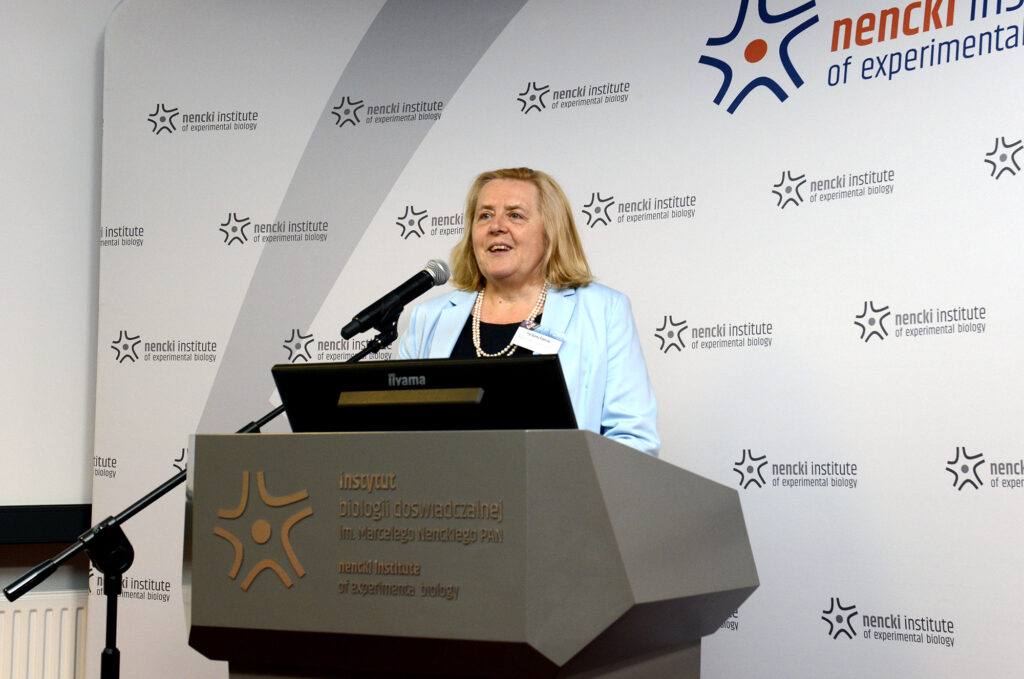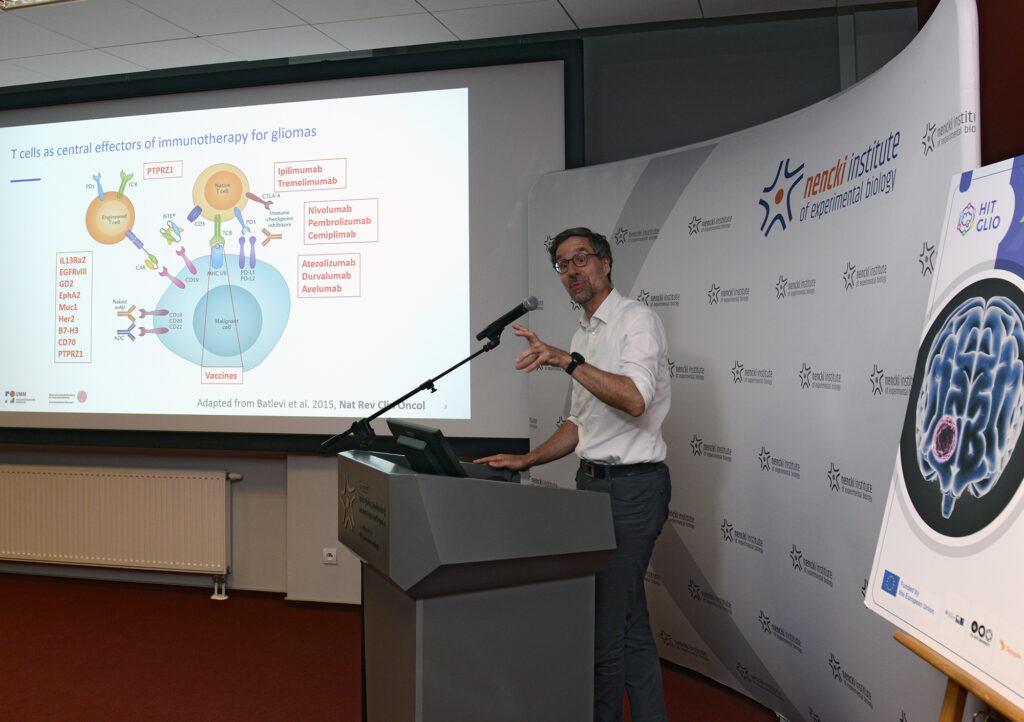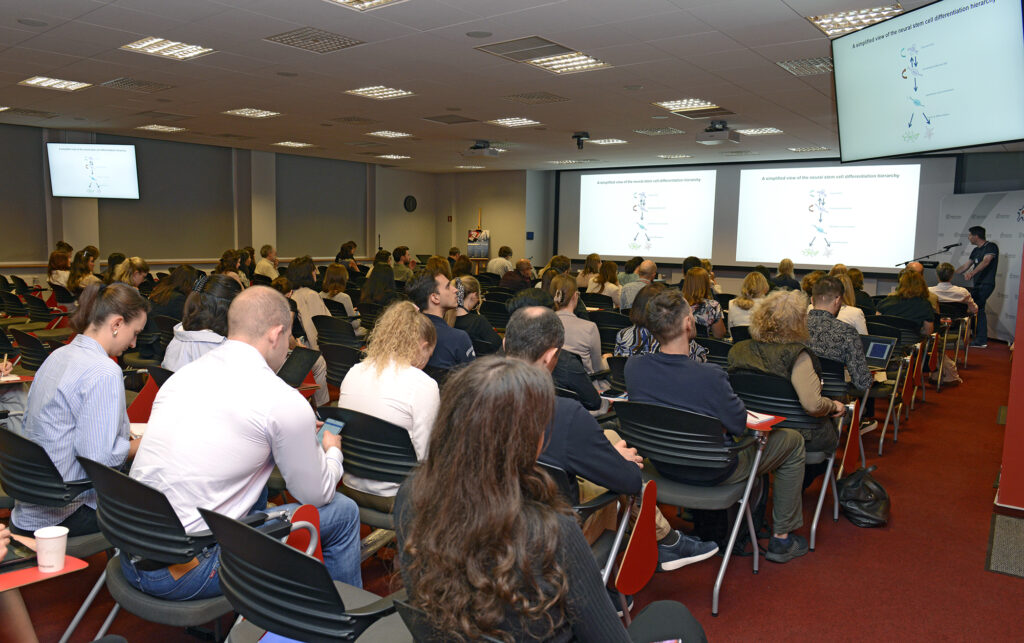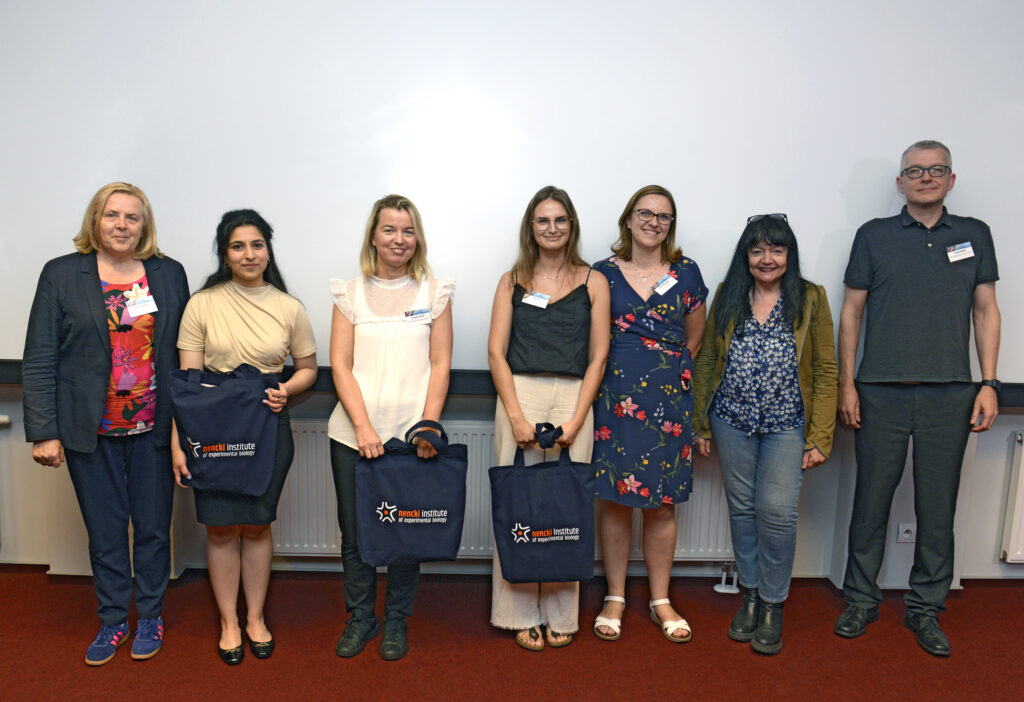
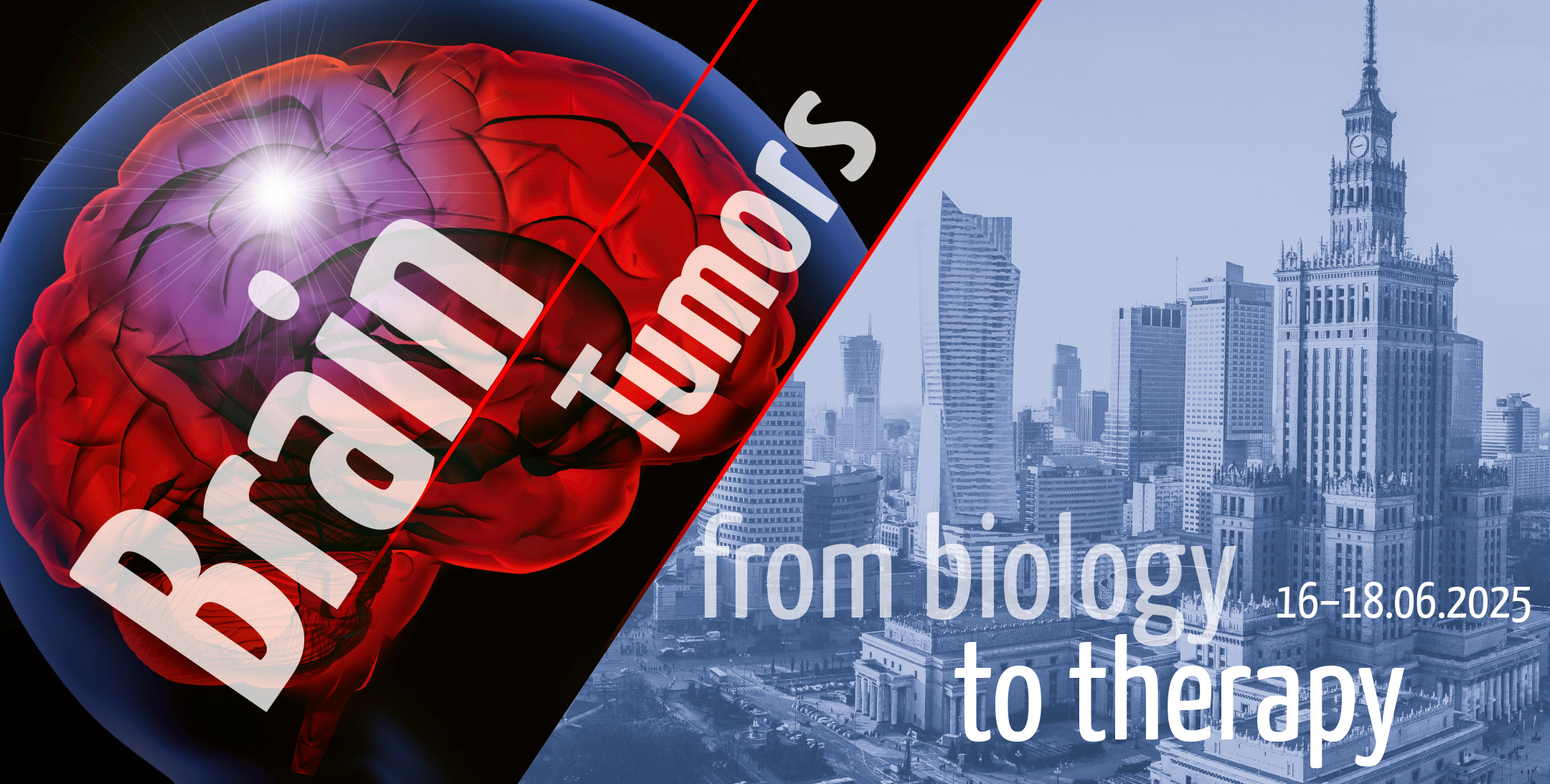
Members of the HIT-GLIO consortium played a central role in organizing the Brain Tumors 2025 – From Biology to Therapy Conference, that was held at the Nencki Institute of Experimental Biology from 16–18 June 2025. The conference was co-organized by HIT-GLIO, the Nencki Institute of Experimental Biology, and the University of Warsaw.
Key organizational and scientific contributions from HIT-GLIO members included:
- Prof. Bożena Kamińska (Nencki Institute) – Conference Chair and Chair of the session “Pediatric Brain Tumors: Pathobiology and Therapy”
- Dr Katarzyna Leszczyńska (Nencki Institute) – Member of the Organizing Committee and Chair of the session “Brain Tumor Pathobiology, Diagnostics & Therapy”
- Dr Paulina Szadkowska (Nencki Institute) – Member of the Organizing Committee
- Prof. Wiesława Grajkowska (IPCZD) – Chair of the session “Brain Tumor Immunology and Immunotherapy”
- Prof. Joanna Trubicka (IPCZD) – Chair of the session “Brain Tumor Pathobiology, Diagnostics & Therapy”
The conference brought together over 100 participants, including more than 20 invited speakers from Europe, Israel, the United States, and Canada. The scientific program comprised five thematic sessions, featuring keynote lectures by internationally recognized experts, including Dr Mariela Filbin, Dr E. Antonio Chiocca, and Dr Manuel Castro, who presented cutting-edge insights into brain tumor biology and emerging therapeutic strategies.
The meeting covered a broad spectrum of topics, including pediatric brain tumor pathobiology, glioma plasticity and tumor microenvironment, tumor immunology and immunotherapy, as well as novel diagnostic and therapeutic approaches. Further details are available at: https://braintumorswarsaw.pl/
The HIT-GLIO–organized session, “Pediatric Brain Tumors: Pathobiology and Therapy”, opened the conference on 16 June and was co-chaired by Dolores Hambardzumyan and Bożena Kamińska. The session featured the following presentations:
- Keynote Lecture: Mariela Filbin (Dana-Farber Cancer Institute, USA) – “Form follows function: cellular and developmental architecture of pediatric brain tumors”
- Jacek Majewski (McGill University, Canada) – “Epigenomic landscapes of H3K27M mutant gliomas”
- Dolores Hambardzumyan (Icahn School of Medicine at Mount Sinai, USA) – “Myeloid cell heterogeneity and function in pediatric high-grade gliomas”
- Chris Jones (Institute of Cancer Research, UK) – “Cell state and plasticity in drug sensitivity and resistance in diffuse midline glioma”
In addition, HIT-GLIO consortium members presented project-related results across other sessions:
- Florent Ginhoux (Institut Gustave Roussy, France) – Mapping microglia–tumor crosstalk in pediatric brain cancer (talk)
- Bożena Kamińska (Nencki Institute, Poland) – Immune microenvironment of gliomas with distinct genetic drivers (talk)
- Dinorah Friedmann-Morvinski (Tel Aviv University, Israel) – Metabolically enhanced CAR-T cells for brain tumor immunotherapy (talk)
- Monika Dźwigońska (Nencki Institute, Poland) – Hypoxia-driven epigenomic dysregulation of glioma-associated myeloid cells (short talk)
- Szymon Lipiec (Nencki Institute, Poland) – Tumor–microglia interactions in pediatric high-grade gliomas (poster)
- Kelly Lee (University of Oxford, UK) – Targeting C5aR1 to enhance radiotherapy response in high-grade gliomas (poster)
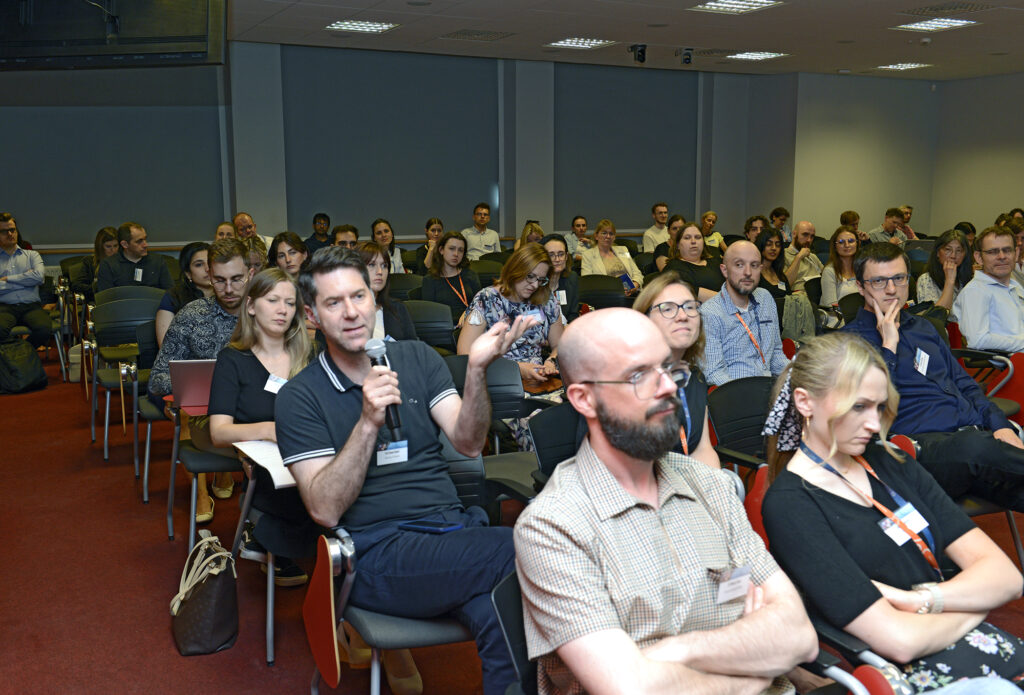
These contributions provided the HIT-GLIO consortium with valuable exposure to leading experts in the field and generated substantial scientific discussion. In particular, lively exchanges focused on the roles of macrophages and microglia in high-grade gliomas and the differences between adult glioblastoma and pediatric tumors such as DIPG—topics highly relevant to the HIT-GLIO project.
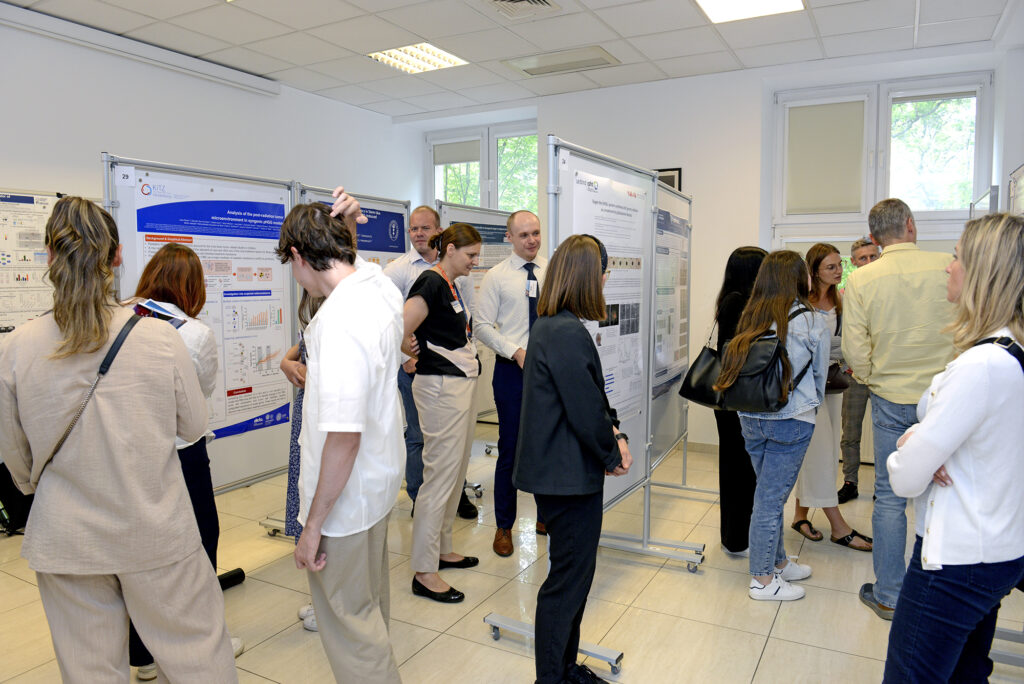
The two poster sessions, each featuring 20 presentations, fostered in-depth scientific interaction. Their focused format ensured meaningful feedback for presenters, with particular benefits for early-career researchers, who engaged directly with senior scientists and clinicians in a supportive and stimulating environment.